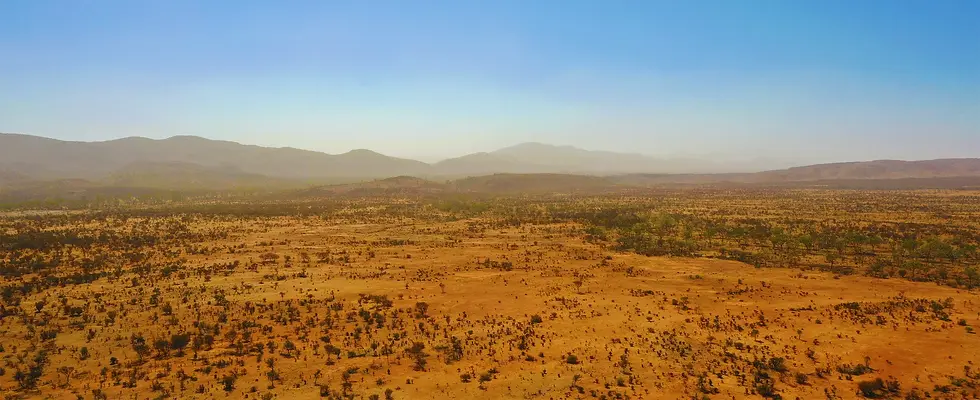
Night operations in rugged arid terrain can significantly improve thermal detectability, but they also introduce constraints that do not exist in daylight: terrain masking becomes more consequential, turbulence is harder to visually anticipate, and thermal interpretation is dominated by heat retention in rock and ground surfaces. For the DJI Mavic 3 Thermal (M3T), success at night is driven by disciplined control of time window, geometry, verification, and handover.